

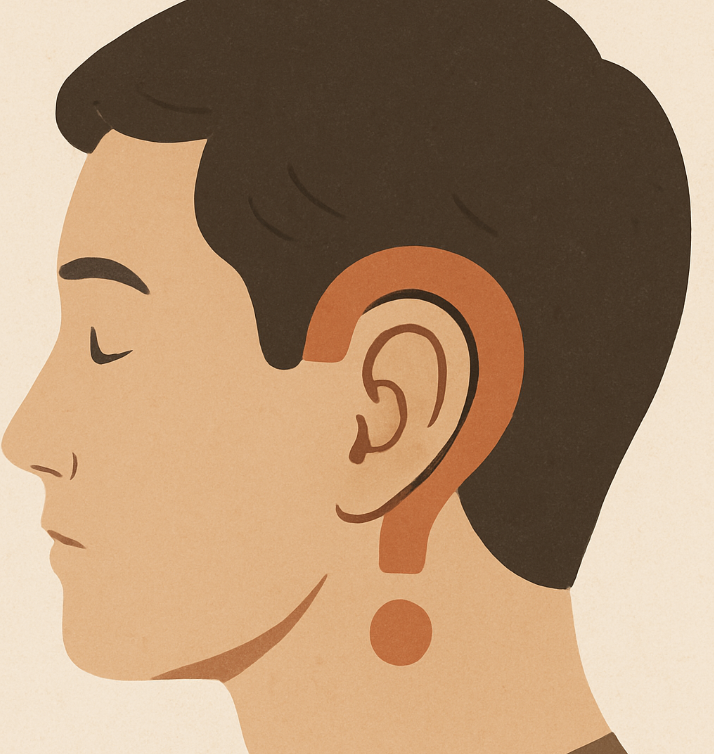
Trusted answers to common hearing questions
At Hearing Healthcare Practice, we know that many people have questions about hearing loss and hearing aids long before they decide to book an appointment. Some are based on personal experience. Others come from things they’ve read online or heard from friends.
Our founder and Chief Audiologist, Robert Beiny, is one of the UK’s most respected hearing specialists, having been named European Audiologist of the Year twice and UK Audiologist of the Year three times. We believe that good information helps people make confident decisions about their hearing.
Here (in no particular order) are answers to some of the questions we’re asked:
Why can I hear people talking but not understand what they’re saying?
This is one of the most common signs of hearing loss. In many cases, it’s not that sounds are too quiet, but that the clarity of speech has been reduced. High-frequency hearing loss can make consonants such as S, F, T and TH much harder to distinguish, especially in busy environments. If conversations are becoming frustrating, a comprehensive hearing assessment can identify exactly what’s happening and recommend the most appropriate solution.
What happens if I ignore my hearing loss?
Untreated hearing loss can affect far more than your ears. Many people begin avoiding social situations because conversations become tiring or embarrassing. Others experience listening fatigue, reduced confidence and increased isolation. Research has also shown an association between untreated hearing loss and cognitive decline, although hearing loss is only one of many factors involved. The earlier hearing problems are identified, the easier they are often to manage.
Why am I so tired after conversations?
If you have hearing loss, your brain has to work much harder to fill in the words it can’t hear clearly. This extra effort is known as listening fatigue. By the end of the day, even enjoyable conversations can leave you mentally exhausted. At Hearing Healthcare Practice, we don’t just measure how loudly you hear. We also assess how well you understand speech, helping us recommend solutions that reduce listening effort as well as improve clarity.
How do I know if I need hearing aids?
Many people assume they should wait until their hearing becomes “bad enough”, but that’s rarely the best approach. If you’re asking people to repeat themselves, avoiding noisy restaurants, turning the television up or struggling to follow conversations, it’s worth having your hearing checked. A professional hearing assessment can determine whether hearing aids would genuinely improve your quality of life, even if your hearing loss is only mild.
How long does it take to get used to hearing aids?
Most people begin noticing benefits within the first few days, but your brain usually needs several weeks to adapt fully. Sounds you haven’t heard for years may initially seem unusual or even distracting. This is completely normal. Wearing your hearing aids consistently each day helps your brain relearn these sounds more quickly, making conversations feel increasingly natural over time.
Why is the sound on television so difficult to understand these days?
You’re certainly not imagining it. Modern television programmes and films often use more realistic sound mixing than older productions. Background music, sound effects and natural speech patterns can make dialogue harder to follow, particularly if you have even a mild hearing loss. Streaming services may also use different audio compression. If you regularly rely on subtitles, it may be worth having your hearing checked, as this is often one of the earliest signs that speech clarity has changed rather than simply volume.
Can stress make my hearing seem worse?
Stress doesn’t usually cause permanent hearing loss, but it can make hearing problems feel more noticeable. When we’re anxious or tired, the brain has to work harder to process sound and filter out background noise. Stress can also make tinnitus seem louder. If changes in your hearing are sudden, persistent or affect only one ear, you should seek professional advice promptly to rule out other causes.
Why do people seem to mumble these days?
This is one of the most common comments we hear. In reality, most people aren’t mumbling more than they used to. The issue is often that age-related hearing loss affects higher-pitched speech sounds such as S, F and TH, making words less distinct. At Hearing Healthcare Practice, our assessments measure both hearing sensitivity and speech understanding, helping identify whether clarity rather than volume is the real problem.
Is mild hearing loss really worth treating?
Yes. Even mild hearing loss can make conversations more tiring and reduce confidence in social situations. Many people adapt without realising how much effort they’re putting into listening. Treating hearing loss early may help maintain communication, reduce listening fatigue and improve quality of life. Modern hearing aids are discreet and can often provide noticeable benefits long before hearing loss becomes severe.
Why is hearing worse in restaurants and busy cafés?
Busy places contain lots of competing sounds that make it harder for the brain to focus on speech. Someone with hearing loss may hear every sound but struggle to separate the conversation they want from background noise. This is why restaurants are often one of the first places people notice a problem. Modern hearing aids can help by reducing unwanted noise while improving speech clarity.
Can hearing aids help with tinnitus?
For many people, yes. Hearing aids don’t cure tinnitus, but by improving access to everyday sounds they can make the ringing or buzzing less noticeable. Many modern hearing aids also include dedicated tinnitus management features. Because tinnitus has many possible causes, it’s important to have your hearing assessed before deciding on the most appropriate treatment.
Why do I keep asking people to repeat themselves?
If you’re asking for repetition more often, especially in groups or noisy places, it could be an early sign of hearing loss. Often, you hear that someone has spoken but miss parts of the words, making it difficult to understand the sentence. A hearing assessment can identify whether hearing loss is the cause or whether another factor may be affecting your communication.
Does everyone with hearing loss need hearing aids?
No. The right solution depends on the type and degree of hearing loss and how it affects your daily life. Some people simply need earwax removed or treatment for a temporary condition. Others benefit from monitoring their hearing over time. If hearing aids are recommended, they should be based on a thorough assessment rather than hearing test results alone.
Can hearing loss happen suddenly?
Yes, although sudden hearing loss is much less common than gradual age-related hearing loss. If your hearing changes suddenly, particularly in one ear, you should seek urgent medical attention the same day. Prompt treatment can make a significant difference in some cases. Gradual hearing loss, by contrast, often develops so slowly that people don’t notice it until communication becomes difficult.
Why does my family notice my hearing loss before I do?
Hearing loss often develops gradually, allowing your brain to adapt over time. Family members may notice you turning up the television, mishearing words or asking for repetition long before you recognise a problem yourself. This is very common. Listening to those around you and arranging a hearing assessment can help identify changes before they begin affecting your quality of life.
Can earwax cause hearing loss?
Yes. Earwax is one of the most common causes of temporary hearing loss. A build-up can block sound from reaching the eardrum, making hearing seem muffled or blocked. The good news is that hearing usually returns once the wax has been safely removed. It’s important not to use cotton buds, as they often push wax further into the ear canal.
Is hearing loss hereditary?
Some forms of hearing loss have a genetic component, particularly those that develop at a younger age. However, hearing changes are also influenced by ageing, noise exposure, certain medical conditions and some medications. Having a family history doesn’t necessarily mean you will develop significant hearing loss, but it may mean regular hearing checks are worthwhile.
Can I protect the hearing I still have?
In many cases, yes. Avoiding excessive noise, wearing hearing protection when appropriate and managing your general health can all help reduce the risk of further hearing damage. Regular hearing assessments also allow changes to be identified early. Protecting your hearing is often much easier than trying to restore it once it has been lost.
Why do my ears feel blocked when they’re actually clear?
A blocked sensation isn’t always caused by earwax. It can also result from changes in pressure, Eustachian tube problems, jaw joint disorders or hearing loss itself. Some people describe hearing loss as feeling like their ears are “full” even when the ear canal is completely clear. A professional examination can help identify the underlying cause.
Will hearing aids restore my hearing to normal?
Hearing aids cannot restore natural hearing, but they can significantly improve your ability to hear and understand speech. They work by making sounds clearer and easier for the brain to process rather than simply making everything louder. With careful fitting and ongoing support, many people find they can enjoy conversations much more comfortably again.
How often should I have my hearing tested?
Adults with no concerns may benefit from a hearing check every few years, particularly from the age of 50 onwards. If you’ve already been diagnosed with hearing loss or wear hearing aids, more regular reviews are advisable. At Hearing Healthcare Practice, we encourage routine monitoring so that any changes can be identified and managed before they begin affecting everyday life.
Can hearing loss affect my balance?
Your hearing and balance organs are located within the inner ear, but they perform different functions. Some conditions can affect both systems, causing hearing changes alongside dizziness or vertigo. However, most age-related hearing loss does not directly cause balance problems. If hearing loss is accompanied by dizziness, it’s important to seek professional assessment.
Why do some voices sound clearer than others?
Every voice has a different pitch and tone. People with high-frequency hearing loss often find deeper voices easier to understand than higher-pitched voices, particularly those of women and children. The challenge is usually one of clarity rather than loudness. A hearing assessment can identify which speech sounds are being missed and help determine the most appropriate treatment.
Can untreated hearing loss affect my mental health and wellbeing?
Yes. Struggling to communicate can lead to frustration, embarrassment and withdrawal from social situations. Many people become less confident simply because following conversations requires so much effort. Treating hearing loss can help people reconnect with family, friends and activities they enjoy, supporting both emotional wellbeing and quality of life.
Why do hearing aids sometimes whistle?
Whistling, known as feedback, happens when amplified sound escapes from the ear and is picked up again by the hearing aid’s microphone. Modern hearing aids are very good at preventing this, but it can still occur if an earmould doesn’t fit properly, there’s excessive earwax or the device needs adjustment. A hearing professional can usually resolve the problem quickly.
Can hearing improve on its own?
Sometimes. Hearing affected by a cold, congestion or temporary earwax build-up may return to normal once the underlying cause resolves. However, age-related hearing loss and most forms of sensorineural hearing loss are usually permanent. Any sudden or unexplained change in hearing should always be assessed promptly, as early treatment can be important in certain conditions.
Hearing Healthcare Practice, Harpenden.
We hope you’ve found these answers helpful and that they’ve addressed some of the questions you may have about hearing and hearing loss. If there’s anything else you’d like to ask, or if you’d like to speak to one of our expert audiologists, please don’t hesitate to get in touch. We welcome patients from Hertfordshire and the surrounding area, as well as from across the UK and, in some cases, from around the world.
Whether you’re simply looking for trusted advice or are ready to take the next step on your hearing journey, we’re always happy to help.