

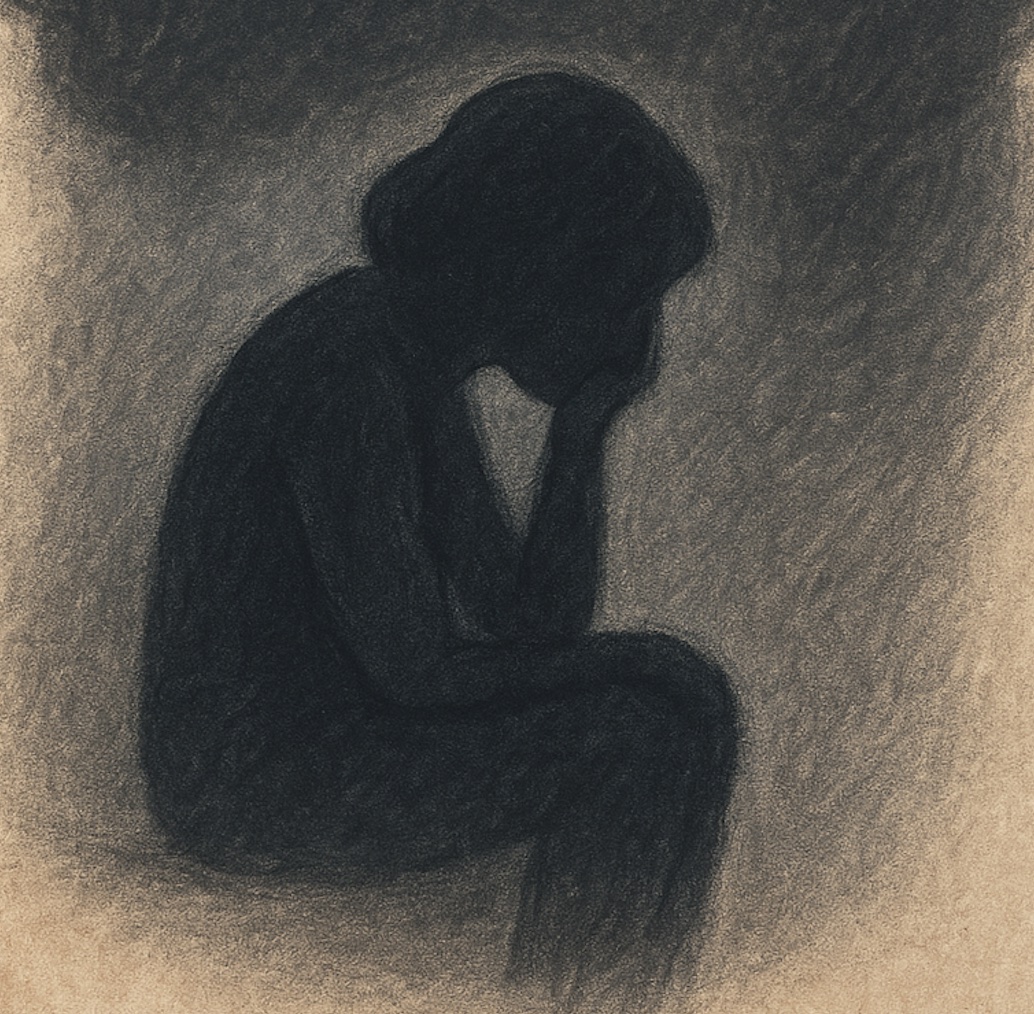
Hearing loss is often seen purely as a physical condition; struggling to follow conversations, turning up the TV, or asking people to repeat themselves. But in recent years, scientists have found a strong and growing connection between hearing loss and mental health, particularly depression.
This relationship may in some ways seem obvious and, indeed, evidence is mounting that untreated hearing loss can take a significant toll on emotional wellbeing. What’s important is the understanding this link is vital for anyone concerned about their health or that of a loved one.
Why hearing loss affects more than your ears
Hearing is central to how we connect with the world. When it becomes difficult to follow conversations or keep up in social settings, many people begin to withdraw. This social isolation can, in turn, fuel feelings of loneliness and frustration, both of which are strongly associated with depression.
There is also growing evidence that hearing loss affects the brain directly. Research suggests that when the brain has to work harder to process sound, it may divert resources away from other functions such as memory and mood regulation, creating a pathway for mental health difficulties to develop.
What the science says
Several large studies have demonstrated a clear association between hearing loss and depression.
One analysis of data from over 18,000 adults in the United States found that individuals with self-reported hearing loss were more likely to experience moderate to severe depression compared to those without hearing difficulties.
Source. Li CM, Zhang X, Hoffman HJ, Cotch MF, Themann CL, Wilson MR. Hearing impairment associated with depression in US adults, National Health and Nutrition Examination Survey 2005–2010.
Another study of older adults in Europe found that hearing difficulties were linked not only to depression, but also to lower quality of life and increased risk of cognitive decline.
Source. Cosh S, Helmer C, Delcourt C, Robins TG, Tully PJ, Anstey KJ. The association among hearing loss, depression, and cognition in older adults: a 12-year longitudinal study.
There is also evidence that treating hearing loss can reduce symptoms of depression. A review of studies on hearing aid use concluded that people who wore hearing aids were less likely to report depressive symptoms than those who did not.
Source. Mahmoudi E, Basu T, Langa K, Zazove P, Alexander N, Marcus S, McKee M. Can hearing aids delay time to diagnosis of dementia, depression, or falls in older adults?
Why this link matters
The connection between hearing and mental health highlights why hearing loss should never be ignored. All too often, people dismiss gradual changes in hearing as a normal part of ageing, or they delay seeking help because they are concerned about the stigma of wearing hearing aids.
But the science makes it clear: untreated hearing loss doesn’t just affect how well you hear. It can reduce your quality of life, increase the risk of depression, and even accelerate cognitive decline.
On the other hand, getting hearing tested and using the right technology can make a real difference. Hearing aids and other forms of assistance don’t just restore sound, they can restore confidence, social connection, and emotional wellbeing.
A call to action
If you or someone close to you has noticed changes in hearing, it is important not to put off getting checked. Our hearing tests are quick and painless, and hearing technology has advanced dramatically in recent years, offering discreet and highly effective solutions.
Addressing hearing loss early is not just about hearing better, it’s about living better. Protecting your hearing health may be one of the most powerful steps you can take to reduce your risk of depression and safeguard your overall wellbeing.
If you’d like to know more and to understand how we may be able to help you or your loved ones please GET IN CONTACT HERE.