

As we begin the New Year (Happy New Year by the way!), we’re returning to a familiar theme, initiated by the growing number of freelance and ‘pop-up’ ear wax removal services we’ve noticed being advertised locally.
Ear wax removal and why it is not a casual service
First, the facts. Ear wax plays an important role. It protects the ear canal, traps debris, and helps prevent infection. Problems arise when wax builds up or becomes impacted. This can cause blocked ears, discomfort, tinnitus, dizziness, or temporary hearing loss.
In recent years, access to ear wax removal through GP practices has reduced sharply across the UK. As a result, there has been a rapid rise in cleaning services. Some may offer a competent service. Many do not.
Ear cleaning is not low risk. When carried out incorrectly, it can cause lasting damage.
The problem with unregulated ear cleaning services
Ear wax removal services in the UK are largely unregulated. This has created space for opportunistic providers to enter the market, often using persuasive marketing language such as “quick”, “instant”, or “revolutionary” – appealing when you can’t hear!
Clinicians are increasingly seeing cases of:
-
Perforated ear drums
-
Ear canal trauma
-
Infections
-
Worsened or permanent hearing loss
These injuries are preventable. They usually happen when procedures are carried out by people without adequate training, clinical assessment skills, or proper equipment.
Until regulation improves, the responsibility sadly falls on patients to be cautious.
Why expertise and equipment matter
Ear wax removal is a clinical procedure. It requires:
-
A full assessment of the ear canal and ear drum
-
An understanding of individual ear anatomy
-
The ability to recognise when wax should not be removed
-
Specialist clinical equipment
-
The judgement to stop when removal is unsafe
Wax can sit very close to the ear drum. In some cases, blocked ears are not caused by wax at all. Only a qualified audiologist can safely assess this.
Crucial points to consider before booking ear wax removal
1. Training and qualifications
At a minimum, the practitioner should be:
-
A qualified audiologist registered with the Health & Care Professions Council (HCPC), or
-
Working within a Care Quality Commission (CQC) registered service
Not all audiologists are trained in wax removal. They should be able to explain their training and experience clearly.
2. Clinical assessment first
A proper examination of the ear must happen before any procedure. If this is skipped, walk away.
3. Safe and appropriate methods
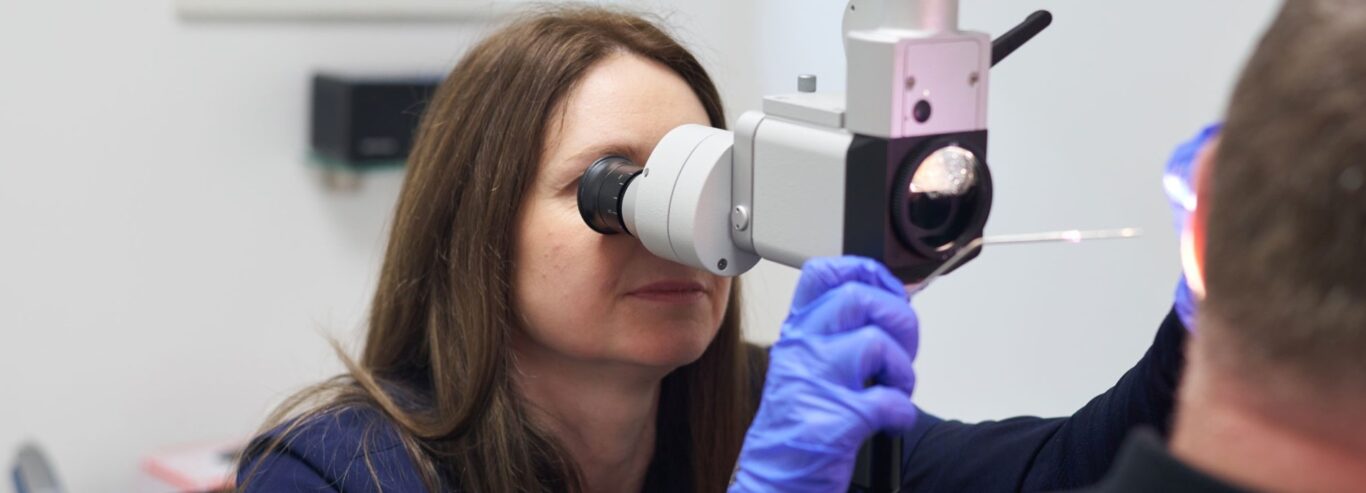
Micro-suction is widely regarded as the safest method when carried out by trained professionals using clinical-grade equipment. Ask what method is being used and why it is suitable for you.
4. Insurance and informed consent
The service should be fully insured. You should receive a clear explanation of risks and benefits and be asked to sign an informed consent form.
5. Reviews and reputation
Look beyond marketing claims. Independent reviews and personal recommendations matter. A reputable clinic will not object to scrutiny.
Why choosing experts is always the safest option
Your ears are delicate. Damage can be permanent.
While some freelance providers may operate responsibly, many do not have the clinical background, governance, or safeguards needed to manage complications. When something goes wrong, there may be little accountability.
Choosing an established audiology clinic with experienced professionals and modern equipment is the safest decision.
Professional ear wax removal at Hearing Healthcare Practice
Hearing Healthcare Practice in Harpenden, Hertfordshire, provides professional ear wax removal using microsuction. All procedures are carried out by fully qualified and experienced audiologists, using the latest clinical equipment, in a safe and regulated environment.
If you’d like more information, CLICK HERE. Or, if you would like advice or wish to book an appointment:
Email us: [email protected]
Or Phone: 01582 767218
Your hearing is not something to gamble with. When it comes to ear cleaning, expert care is always the sensible choice.