

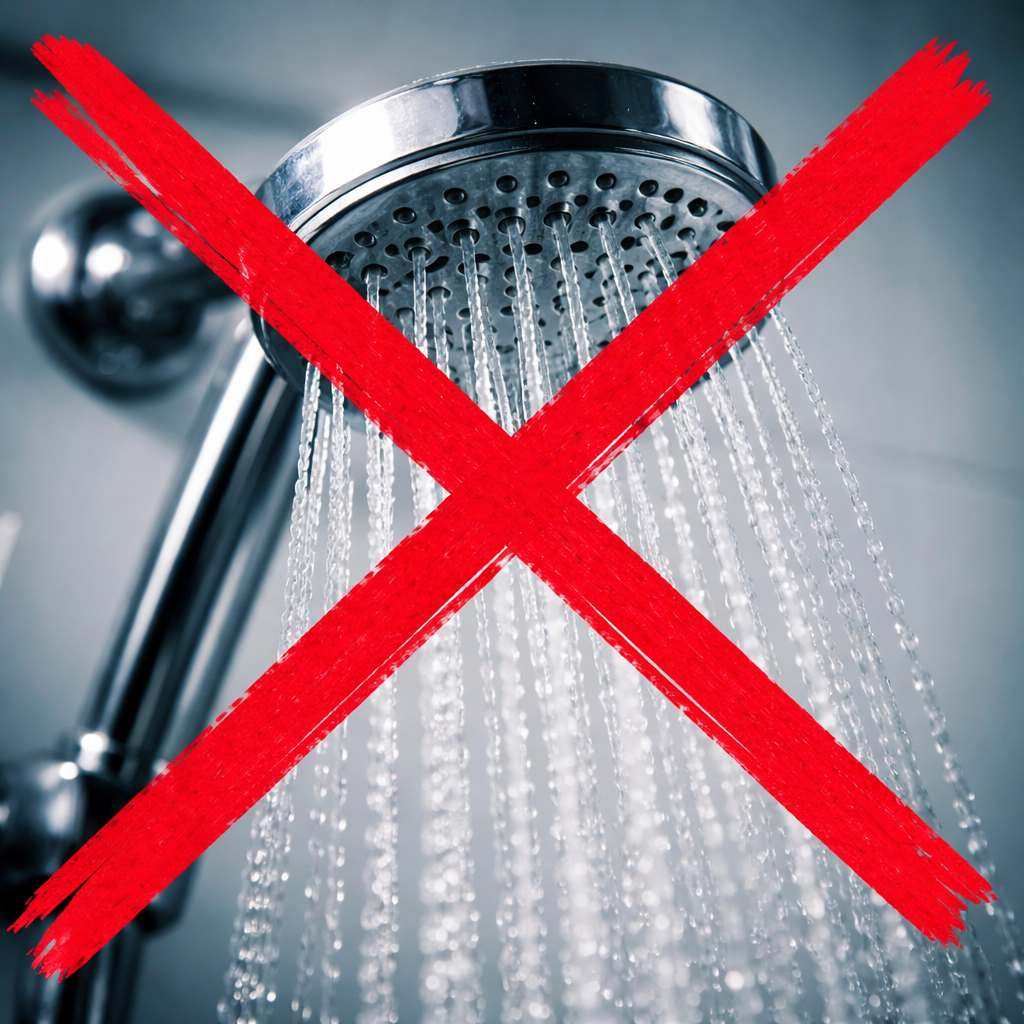
Talking my Hearing Aids for a Shower.
“Yesterday evening I had my first shower while wearing my hearing aids. I’m not saying this to recommend it to anyone — the hearing aids I wear are very much not intended to be worn in the shower (although some models such as Phonak Lyric are…). Fortunately, the sudden and extremely loud whooshing sound in my ears alerted me to this fact almost immediately. With a yelp, I leapt from the shower, removed my hearing aids, and wrapped them gently in a towel. I’m glad to say no harm was done and they worked perfectly afterwards*.
“I make this point not to demonstrate the robustness of modern hearing aids under a gush of hot water, but for a rather more interesting reason: I had completely forgotten I was wearing them at all.
“On numerous occasions, people who don’t wear hearing aids have asked me whether they’re awkward or uncomfortable. Isn’t it horrible, they say, always having something in your ear? And so I’m saying this to underline the answer: no. Not only are they not uncomfortable or unnatural to wear, it is remarkably easy to forget that they’re even there…”
*The Audiologist’s Response!
Hearing aids should not be worn when showering and you should avoid them getting wet, dirty or dusty. However…
Most hearing aids are IP68 rated.
An IP68 rating is currently the highest standard for dust and water resistance in hearing aids, but it does not mean they are completely waterproof.
What IP68 Means
6 (Dust Protection): The device is completely dust-tight, meaning no solid particles can enter the internal electronics.
8 (Water Resistance): The device can withstand continuous immersion in fresh water, typically at a depth of 1 to 1.5 metres for 30 to 60 minutes.
While an IP68-rated hearing aid is designed to survive an accidental shower or heavy rain, experts generally recommend against wearing them while bathing for several reasons:
Steam and Humidity: The heat and high humidity of a bathroom can penetrate seals and eventually damage electronic components.
Chemicals: Soap, shampoo, and hair products contain chemicals that can degrade the protective coatings and seals over time.
Water Pressure: IP68 ratings are based on static water immersion; the force of a direct shower stream can sometimes exceed what the seals are rated to handle.
Physical Risk: Wet hearing aids are more likely to slip out of your ears and hit the hard shower floor, causing physical damage.
What you should do if your hearing aids do get wet:
• Remove them immediately and turn them off.
• Dry the exterior with a soft, clean cloth.
• Place them in a dehumidifier or a specialized hearing aid drying kit overnight to remove internal moisture.
If in doubt, contact us!